
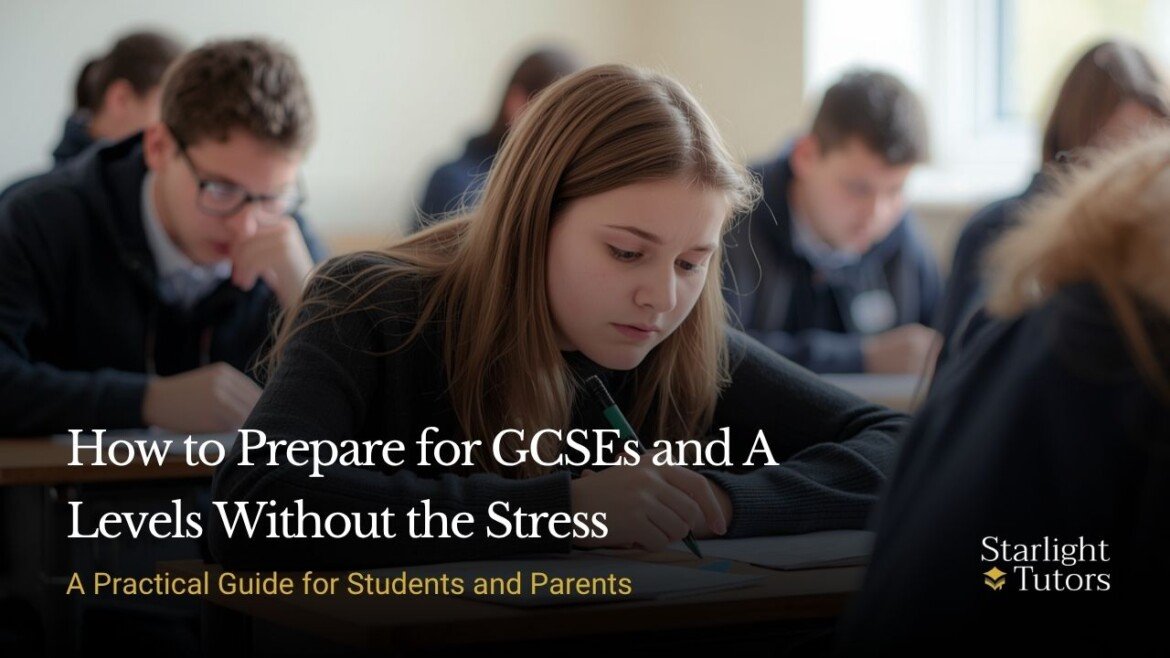
Exams often feel overwhelming long before they even begin. Many students worry about falling behind, forgetting key information or not knowing where to start with revision. Parents, on the other hand, often wonder how best to support without adding more pressure.
The truth is, preparing for GCSEs and A Levels does not have to feel stressful. With the right revision strategies, clear time management and structured support, students can feel more confident, focused and in control of their learning.
This guide breaks down simple, effective ways to approach exam preparation in a calm and manageable way.
Why Exam Preparation Feels Stressful
Before improving your approach, it helps to understand why stress builds in the first place.
Common reasons include:
- Trying to revise everything at once
- Lack of a clear study plan
- Focusing on hours studied instead of quality
- Uncertainty about exam technique
- Pressure to achieve high grades
The key is not to do more, but to work smarter with a clear and structured approach.
Create a Simple and Realistic Revision Plan
A well-structured plan reduces stress by giving students direction and control.
How to build an effective revision plan:
- List all subjects and topics
- Identify stronger and weaker areas (using the spec is vital here!)
- Break revision into small, focused sessions
- Schedule regular breaks to maintain energy
Consistency is more effective than long, irregular study sessions. Even 30 to 60 minutes of focused revision each day can lead to steady progress.

Focus on Understanding, Not Memorising
One of the most effective GCSE revision tips in the UK is shifting from memorisation to understanding.
Students often feel stressed when they rely only on memory. When they understand how concepts work, they can apply knowledge more confidently in exams, particularly in different contexts.
Ways to improve understanding:
- Explain topics out loud in your own words
- Use diagrams and visual aids
- Practise applying knowledge to different questions
- Teach a concept to someone else
Understanding builds long-term confidence and reduces exam anxiety.
Use Past Papers to Build Exam Confidence
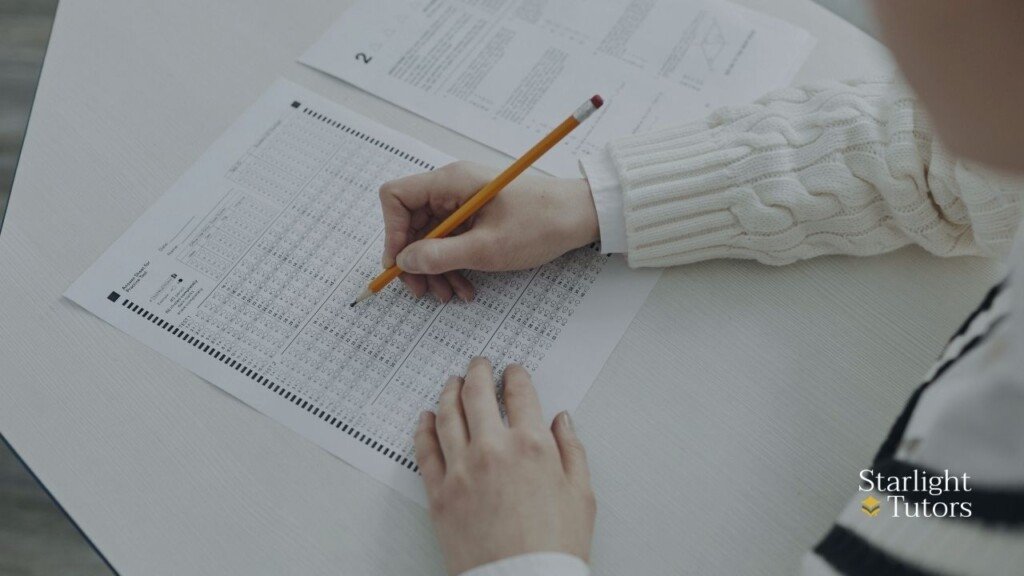
For both GCSE and A Level exam prep, past papers are one of the most powerful tools available.
They help students:
- Become familiar with question styles
- Understand how marks are awarded
- Improve timing and structure
- Identify gaps quickly
Best way to use past papers:
- Start with untimed practice to understand questions
- Move to timed conditions
- Mark using official mark schemes
- Review mistakes and adjust approach
This method turns revision into active learning rather than passive reading.
MAKE SURE you study the mark schemes in detail and look out for key features.
Manage Time Without Feeling Overwhelmed
Time management is a key part of stress-free studying.
Instead of trying to revise everything, focus on what matters most.
Simple time management strategies:
- Use a weekly revision timetable
- Prioritise difficult topics first
- Break tasks into smaller steps
- Use short study blocks with breaks
A clear structure removes uncertainty and helps students feel more in control.
Take Care of Wellbeing During Exam Preparation
Academic success is closely linked to wellbeing. Students perform better when they are rested, focused and mentally balanced.
Healthy study habits include:
- Getting enough sleep
- Staying hydrated
- Taking short, regular breaks
- Avoiding long periods of continuous study
Balance leads to better results, not exhaustion.
How Parents Can Support Without Adding Pressure
Parents play an important role in helping students stay calm and motivated.
Helpful ways to support:
- Encourage a consistent routine
- Create a quiet and organised study space
- Check in regularly without overwhelming
- Focus on effort and progress, not just results
A supportive environment helps students feel more confident and less stressed.
How Tutoring Can Reduce Stress and Improve Results
Sometimes, stress comes from not fully understanding certain topics or not knowing how to approach exams effectively.
This is where tutoring can make a real difference.
Tutoring helps students:
- Break down complex topics into simple steps
- Improve exam technique and structure
- Build confidence through guided practice
- Stay consistent with a structured plan
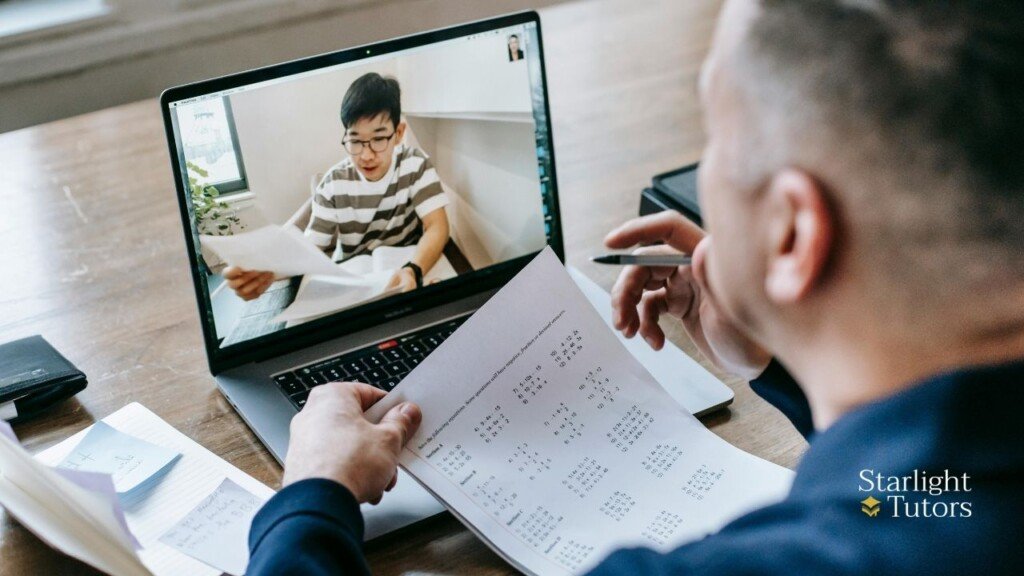
With the right support, students feel more prepared, less overwhelmed and more confident going into exams.
Preparing for GCSEs and A Levels does not have to feel stressful
When students focus on clear structure, effective revision techniques and steady progress, exams become more manageable.
Small, consistent actions lead to meaningful results. With the right approach and support, students can move from feeling overwhelmed to feeling confident and in control.
If you would like personalised support to make exam preparation clearer and more manageable:
Book a free consultation today and let us help you create a plan that works for you.